Investing
Real Estate as an Investment: A First-Timer's Guide for Edo State
SIMEO PROPERTIES · 2026-06-08 · 8 min
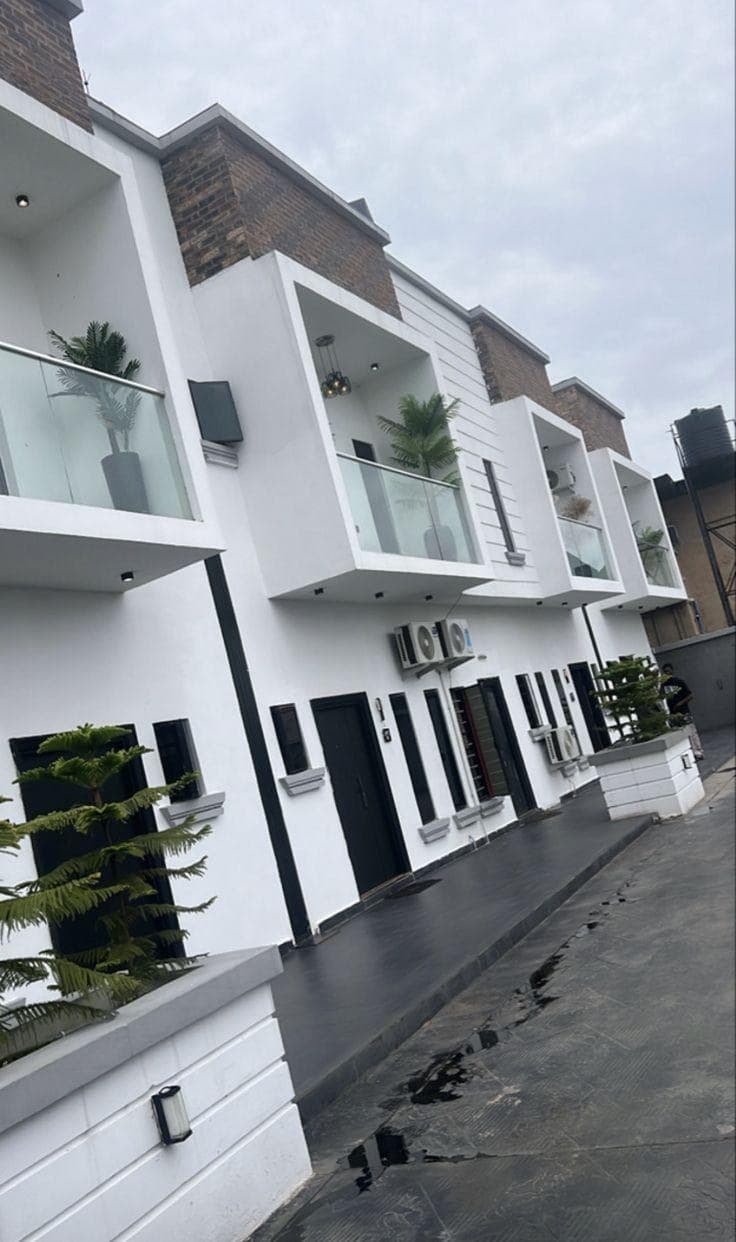
Why Real Estate Continues to Attract Nigerian Investors
Real estate remains a favoured investment vehicle in Nigeria for reasons that are easy to understand: land is tangible, it tends to appreciate over the long term in growing cities, and it offers a hedge against currency volatility in a way that some other asset classes do not. Benin City, as the capital of Edo State and a fast-expanding urban centre, has seen consistent interest from both local and diaspora investors — particularly around growth corridors like Airport Road, Ugbowo, and the outskirts extending toward Ekiadolor.
That said, "property always goes up" is not a strategy — it is an assumption, and assumptions are exactly what due diligence exists to test.
Define What Kind of Investor You Are
Before evaluating a specific property, it helps to be clear about your own goals:
- Capital appreciation: buying land or property with the expectation of holding it for years and selling at a higher price.
- Rental income: buying a property specifically to lease out, prioritising location, tenant demand, and net yield after expenses.
- Development: buying land to build on, either for personal use or to sell developed units — a route that requires more capital and more hands-on management.
Each of these calls for different property types, different locations, and different timelines, so clarity here shapes every decision that follows.
Location Fundamentals That Actually Drive Value
Beyond the general appeal of a neighbourhood, a few concrete factors tend to drive long-term value in growing Nigerian cities:
- Road access and infrastructure: properties on tarred roads with drainage and reliable access tend to hold and grow value more reliably than those reachable only by untarred paths.
- Proximity to growth anchors: nearness to institutions, commercial corridors, or planned infrastructure projects often signals where demand — and therefore price appreciation — is headed next.
- Security of title: as covered in our guide to land title types in Edo State, properly documented land is inherently more liquid and financeable than land with uncertain title, which matters enormously when it comes time to sell or use the property as collateral.
Understand the Full Cost of Ownership
The purchase price is only part of the picture. Depending on the type of investment, factor in:
- Documentation, legal, and registration costs.
- Property or tenement rates payable to local government.
- Maintenance, security, and — for rental properties — property management costs if you are not managing tenants yourself.
- For developments, construction cost overruns, which are common enough in the Nigerian building sector to plan for explicitly rather than assume away.
Diversify Within Real Estate, Not Just Across It
Even within a single asset class, spreading investment across a mix of land, residential, and — where budget allows — commercial property can reduce exposure to any single market shift. Someone with capital to invest across multiple properties in Edo State, for example, might reasonably split between an appreciating land bank on the city's growth edge and a rental property closer to the city centre with steadier income.
Keep an Eye on Macroeconomic Context
Real estate does not exist in isolation from the broader economy. Inflation, exchange rate movements, and interest rate policy all influence both construction costs and buyer purchasing power over time. The Central Bank of Nigeria publishes macroeconomic indicators and monetary policy updates that are useful background reading for anyone treating property as a serious, ongoing investment rather than a one-off purchase.
The investors who do best in real estate are rarely the ones who moved fastest — they are the ones who verified carefully, understood their own goals clearly, and were patient enough to let a well-chosen property appreciate on its own timeline.
Working With SIMEO PROPERTIES
SIMEO PROPERTIES works with both first-time and experienced investors across Benin City and Edo State, helping match investment goals to the right property type and location, backed by verified documentation. If you are exploring your first real estate investment, we would welcome the conversation.
*This article is for general informational purposes and does not constitute investment advice. Property values and market conditions vary; conduct independent research and, where appropriate, consult a licensed financial advisor before investing.*
Talk to SIMEO PROPERTIES
Have a question about buying, selling, or investing in property in Benin City and beyond? Our team is ready to help.
Get in touch